Crafting a toast menu with prices requires selecting popular bread types, flavorful toppings, and setting fair costs to appeal to your customers while maintaining profitability. A clear, well-priced toast menu helps customers quickly decide and boosts sales.
Toast is a versatile, simple dish loved worldwide, making it a strategic menu item. Pricing must balance ingredient cost, local market rates, and desired profit margins to keep your cafe competitive and inviting.
This article will guide you through the essentials of building a toast menu with prices, including popular bread bases, tasty toppings, pricing strategies, presentation tips, customer preferences, and competitive insights.
Key Components of a Toast Menu with Prices
Selecting the Right Bread
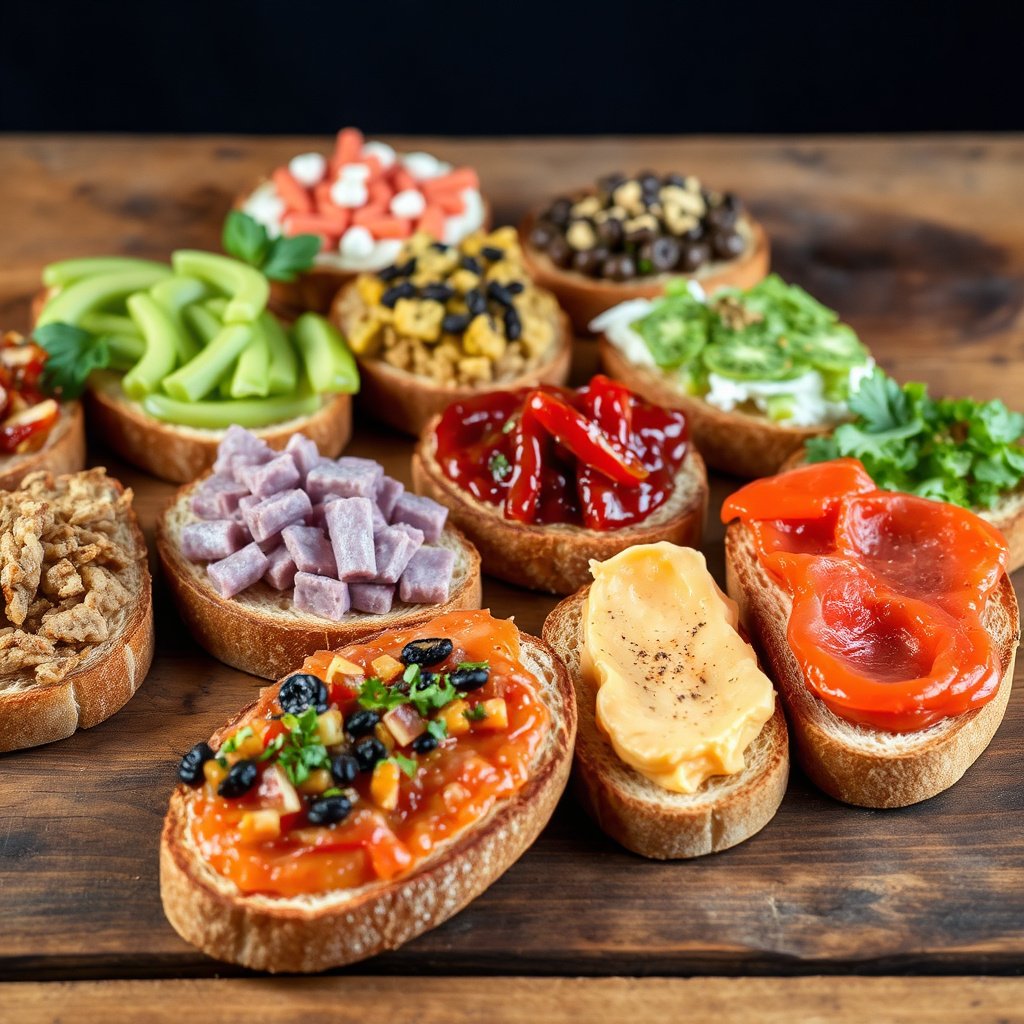
Choosing the base bread significantly influences the toast’s texture and flavor. Common options include sourdough, whole wheat, rye, and multigrain, each offering distinct taste and nutritional profiles.
Considering factors such as freshness, thickness, and crumb density helps create appealing toast. For instance, thick slices of sourdough provide a crunchy exterior with a chewy center, ideal for heartier toppings.
- Sourdough for tangy flavor
- Whole wheat for nuttiness and fiber
- Rye for distinctive taste
- Multigrain for texture variety
Popular Toast Toppings
Toppings define the character of each toast item. Classic choices include avocado, cream cheese, nut butters, fresh fruits, and various cheeses. Sweet and savory options cater to diverse palates.
Combining toppings creates signature offerings that stand out. For example, avocado with cherry tomatoes and feta cheese offers a balanced taste profile with varied textures, appealing to both health-conscious and flavor-seeking customers.
- Avocado with chili flakes
- Peanut butter and banana
- Ricotta with honey and nuts
- Smoked salmon with cream cheese
Pricing Strategies for Your Toast Menu
Calculating Ingredient Costs
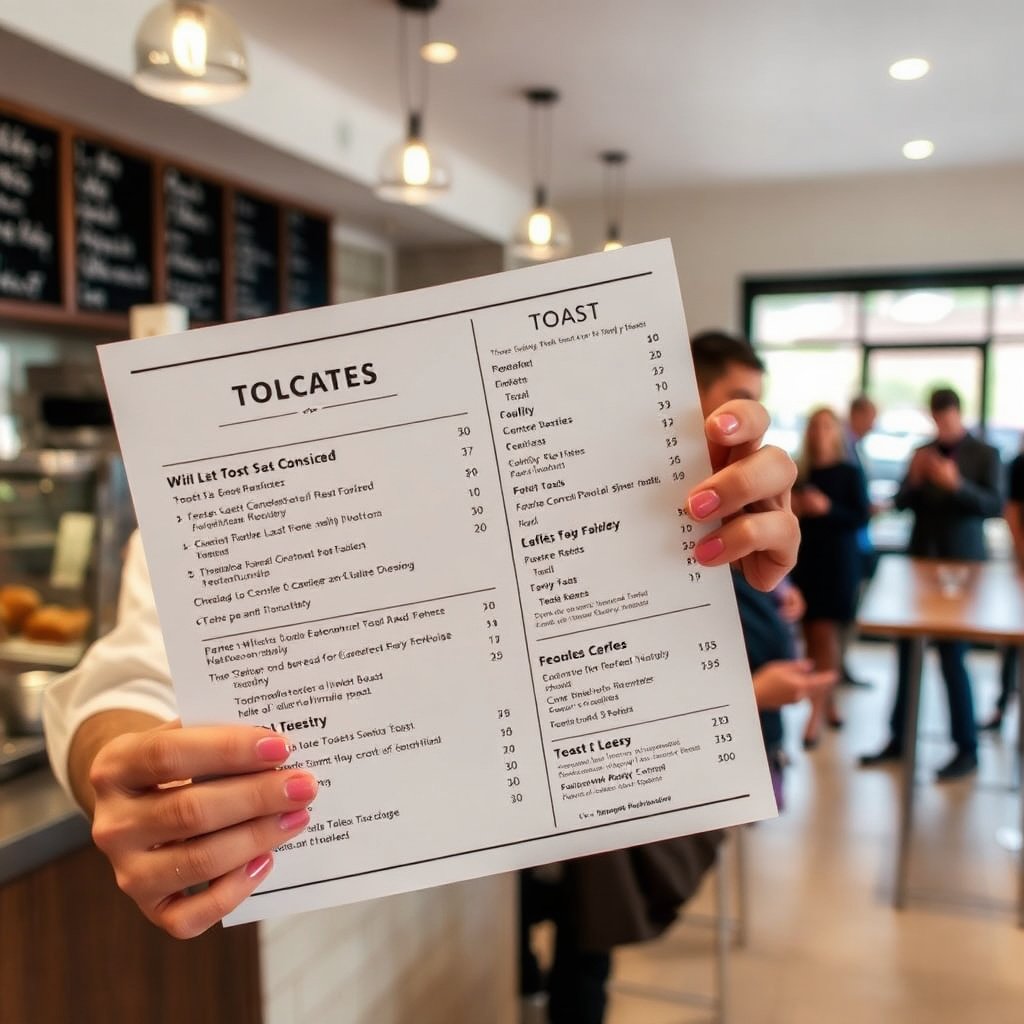
Start by summing the direct cost of all ingredients per toast, including bread, toppings, and garnishes. This figure is vital to determining a baseline for your prices.
Other factors such as wastage, seasonal price fluctuations, and supplier discounts should also be considered to refine the actual ingredient cost per serving.
- Track ingredient usage closely
- Factor in expiration and waste
- Adjust for bulk purchasing deals
Setting Competitive Prices
Analyze prices of local competitors offering similar toast items to ensure your pricing is attractive yet profitable. Positioning your menu as affordable, premium, or niche affects pricing choices.
Consider psychological pricing, such as setting prices slightly below round numbers (e.g., $4.95 instead of $5.00), to encourage customer purchases while maintaining desired margins.
- Research competitor pricing
- Use value-based pricing
- Consider perceived quality
Showcasing Toast Menu with Prices Effectively
Menu Design and Layout
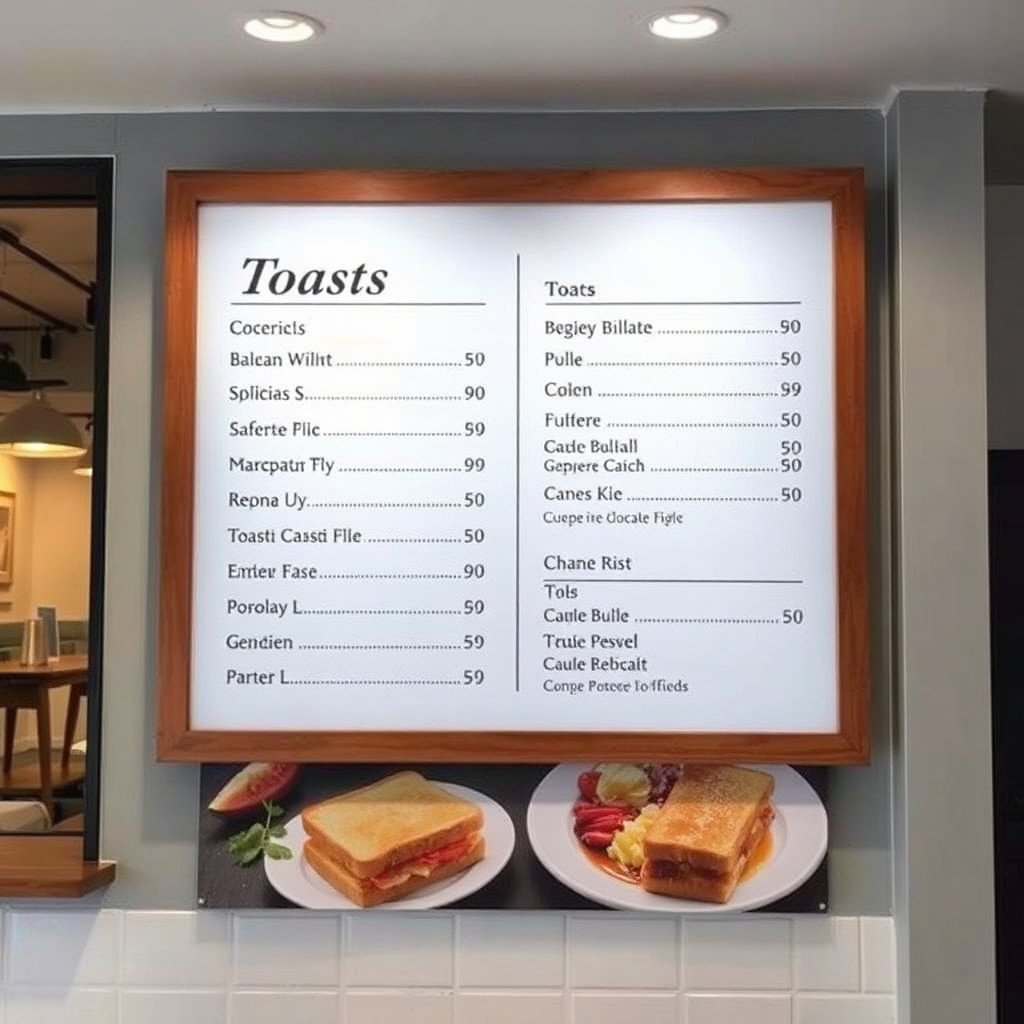
Clear typography and organized layout help customers find their favorite toast quickly. Include appetizing photos alongside item descriptions and prices for visual appeal.
Categorizing toasts by type (e.g., savory, sweet, vegan) enhances navigation. Highlighting specials or unique creations draws attention and can boost sales of higher-margin items.
- Use easy-to-read fonts
- Include descriptive names
- Group items logically
For more on this, see our related guide: Silver Diner Menu with Prices: What to Expect When You Order.
Descriptive Naming and Item Details
Creative yet informative names that hint at main ingredients or flavor profiles entice customers. Brief item descriptions clarify what customers are getting, aiding decision-making.
Including allergen information or dietary notes (e.g., gluten-free, vegan) builds trust and accommodates customer needs, important for a positive dining experience.
- Clear ingredient lists
- Mention dietary suitability
- Use inviting descriptive words
Understanding Customer Preferences for Toast Menu with Prices

Catering to Dietary Restrictions
Offering gluten-free bread options and vegan-friendly toppings broadens appeal. Many customers seek allergens information, so transparent menu choices increase satisfaction and sales.
Including lower-calorie or high-protein toast options caters to health-conscious customers. For example, whole grain breads with avocado or lean protein toppings combine nutrition with flavor.
- Gluten-free bread variants
- Vegan spread selections
- Low-calorie topping ideas
Incorporating Seasonal Ingredients
Using in-season fruits and vegetables keeps the menu fresh and exciting. Seasonal specials can create urgency and repeat visits from customers seeking limited-time offerings.
Adapting the toast menu with seasonal flavors, like pumpkin spice or berry compotes, can justify premium prices while highlighting your cafe's culinary creativity.
- Seasonal fruit toppings
- Limited-time specials
- Local ingredient sourcing
Toast Menu with Prices: Balancing Quality and Profit
Prioritizing Ingredient Quality
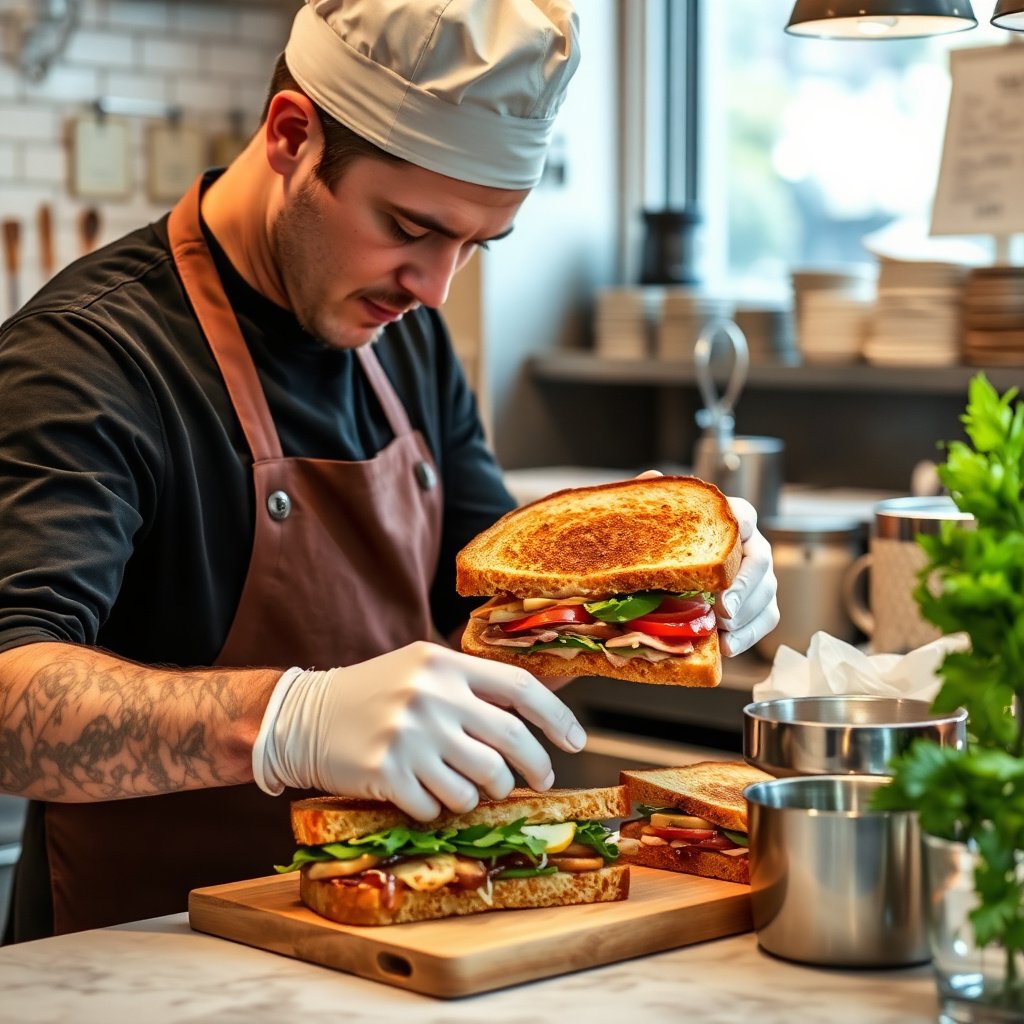
High-quality bread and fresh toppings elevate the customer experience, fostering repeat business. Quality ingredients also support better pricing justification on your menu.
Sourcing from trusted suppliers and rotating stock to maintain freshness minimizes waste and maintains taste consistency critical for brand reputation.
- Fresh daily bread stock
- Organic or artisanal toppings
- Regular quality checks
For more on this, see our related guide: Comprehensive Country Kitchen Menu with Prices for Every Meal.
Managing Profit Margins Wisely
While premium ingredients improve appeal, controlling costs is necessary. Using cost-effective alternatives without compromising taste or combining expensive items with simpler sides can optimize margin.
Regularly reviewing pricing against ingredient costs and sales data helps maintain target profitability while adapting to market trends or supply changes.
- Monitor cost-to-price ratios
- Balance premium and budget items
- Use sales data for pricing decisions
Marketing Your Toast Menu with Prices

Social Media Promotion
Posting high-quality images and descriptions of your unique toast options entices followers to visit. Featuring pricing upfront aids budget-conscious customers, increasing conversion.
Engaging customers with contests or special discount days can highlight particular menu items and build a loyal community around your cafe.
- Use mouthwatering visuals
- Share pricing for transparency
- Run limited-time offers
For a detailed overview of different toast types and variations worldwide, you can check the Toast (food) Wikipedia article. Toast (food) Wikipedia article.
In-Cafe Promotions
Highlight toast menu items on table tents, digital screens, or flyers within the cafe to capture consumer interest during visits. Special combo deals or bundle pricing can boost sales.
Offering loyalty discounts or pairing toast with beverages at attractive prices encourages upselling and repeat visits, maximizing average order value.
- Promote combo deals
- Use loyalty programs
- Display menu prominently
Toast Menu Category Comparison
Here’s a comparison of popular toast categories highlighting flavor profiles, typical price ranges, and customer preferences to help decide your menu focus.
| Category | Flavor Profile | Typical Price Range | Customer Appeal |
|---|---|---|---|
| Savory Toast | Rich, salty, umami | $4 – $7 | Broad appeal, lunch favorite |
| Sweet Toast | Sweet, fruity, creamy | $3 – $6 | Popular for breakfast and snacks |
| Vegan Toast | Fresh, plant-based flavors | $4 – $7 | Growing health-conscious crowd |
| Gourmet Toast | Complex, premium ingredients | $6 – $10 | Niche, higher-spending customers |
| Simple Butter Toast | Buttery, classic | $2 – $4 | Basic option, budget-friendly |
Frequently Asked Questions
What factors affect the price of a toast menu item?
Prices depend on ingredient quality, portion size, local market rates, and preparation complexity. Premium toppings and specialty breads generally raise costs, while simple toasts remain budget-friendly.
How can I offer affordable toast options without losing quality?
Use standard breads combined with fewer but flavorful toppings, source local ingredients, and maintain portion control to balance quality and affordability effectively.
Should I include allergen information on the toast menu?
Yes, clear allergen and dietary information helps customers make safe choices, builds trust, and accommodates those with dietary restrictions or allergies.
How often should I update my toast menu with prices?
Review costs and customer preferences quarterly or when ingredient prices fluctuate significantly to keep pricing accurate and the menu appealing.
Can seasonal ingredients justify higher prices on the toast menu?
Seasonal ingredients offer fresh flavors and exclusivity, which customers often appreciate and are willing to pay a premium for, especially with limited-time menu items.
Key Takeaways
- Select diverse breads and popular toppings to suit customer tastes
- Base prices on ingredient costs and competitor analysis
- Design clear, attractive menus with descriptive names and pricing
- Incorporate dietary options and seasonal ingredients for broader appeal
Conclusion
Creating a toast menu with prices involves balancing flavorful, fresh ingredients and attractive presentation with thoughtful pricing strategies. Evaluating bread types, topping combinations, and competitor pricing allows you to meet customer expectations and business goals. An effective menu fosters customer satisfaction and drives sales by being clear, appealing, and well-structured.
For establishments focusing on health-conscious clientele, offering whole grain or gluten-free breads with nutrient-rich toppings like avocado or nut butters works well. Gourmet cafés can justify higher prices with premium ingredients such as smoked salmon or artisanal cheeses. Simpler cafes might opt for classic butter or sweet fruit toppings to keep costs accessible while maintaining quality.
The best next step is to analyze your target market, ingredients sourcing options, and competitor pricing to tailor your toast menu with prices accordingly. Experimenting with seasonal specials and customer feedback can fine-tune offerings over time. A balanced, thoughtfully priced toast menu will enhance your cafe’s appeal and profitability.